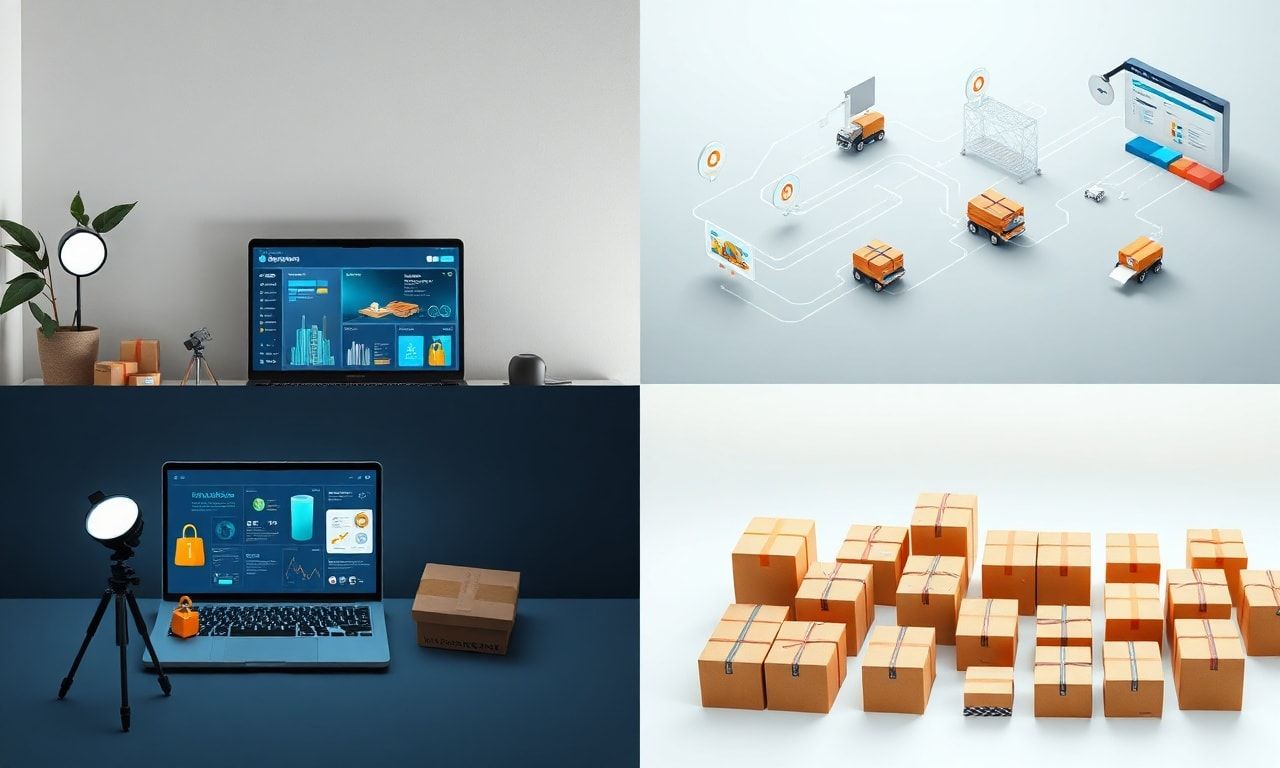
The Complete Beginner Guide to Dropshipping: How to Start in 2024
Introduction: What is Dropshipping and Why It’s a Popular E-commerce Model
Dropshipping is a streamlined e-commerce fulfillment method where a store doesn’t keep the products it sells in stock. Instead, when a store sells a product, it purchases the item from a third party—usually a supplier or manufacturer—and has it shipped directly to the customer. This model eliminates the need for inventory management, warehousing, and large upfront capital, making it an exceptionally accessible entry point into the world of online retail.
For aspiring entrepreneurs, particularly those considering platforms like Shopify, WooCommerce, or even integrating with marketplaces like Etsy, dropshipping offers a low-risk testing ground. It allows you to validate product ideas, understand digital marketing, and build a brand without the traditional logistical burdens. This guide will walk you through every step, from foundational concepts to advanced scaling strategies, with a special focus on leveraging modern tools for efficiency.
H2: Laying the Foundation: Your Step-by-Step Dropshipping Blueprint
H3: Step 1: Niche Selection and Market Research
Success in dropshipping begins with a well-chosen niche. Your niche should be a balance of passion, profitability, and practicality.
- Passion & Knowledge: Operating in an area you understand or enjoy sustains motivation.
- Profitability: Analyze average order values and supplier costs. Use tools like Google Trends, Amazon Best Sellers, or social media platforms (TikTok, Pinterest) to gauge sustained interest.
- Low Competition, High Demand: Look for “micro-niches.” Instead of “fitness,” consider “yoga accessories for travelers” or “eco-friendly home gym equipment.”
H3: Step 2: Sourcing Reliable Suppliers
Your supplier is your business partner. Vetting them is non-negotiable.
- Popular Platforms: AliExpress, SaleHoo, Spocket, and Doba are common starting points.
- Vetting Checklist: Check reviews and ratings, communicate directly to assess response time and professionalism, and always order a sample to evaluate product quality and shipping time firsthand.
H3: Step 3: Setting Up Your E-commerce Store
Your website is your digital storefront. Platforms like Shopify are beginner-friendly for dropshipping due to their app ecosystems.
- Key Pages: Create a professional Homepage, clear Product Pages, an informative “About Us,” straightforward Shipping/Policy pages, and a trustworthy Contact page.
- Branding: Invest in a memorable name, a clean logo, and consistent visuals. It builds customer trust, which is crucial in a model where you don’t handle the product directly.
H3: Step 4: Marketing and Customer Acquisition
You can have the best store, but without traffic, you have no sales.
- Social Media Marketing: Use visually-driven platforms like Instagram and TikTok to create engaging content around your products.
- Search Engine Optimization (SEO): Optimize product titles and descriptions with relevant keywords to attract organic search traffic.
- Paid Advertising: Start with a small budget on Meta (Facebook/Instagram) or Google Ads to test which products and audiences convert best.
H3: Step 5: Order Fulfillment and Customer Service
In dropshipping, customer service is your primary product.
- Automation: Use apps to forward orders and tracking details automatically to your supplier and customer.
- Transparency: Be upfront about shipping times (often 10-30 days for international suppliers).
- Proactive Communication: Address issues before they escalate. A happy customer can become a repeat buyer.
H2: Supercharging Your Strategy: The Best AI Tools for Etsy Sellers and Dropshippers
While this guide focuses on independent storefronts, many principles apply to Etsy sellers using a print-on-demand or dropshipping model. AI tools are revolutionizing efficiency for solo entrepreneurs and small teams.
H3: 1. AI for Product Research and Sourcing
- Jasper & ChatGPT: Use these advanced language models to brainstorm niche ideas, generate compelling product descriptions, and create marketing angles. Prompt: “Generate 10 unique product descriptions for a minimalist bamboo kitchenware dropshipping store.”
- Pencil: An AI-powered platform that can predict ad performance and generate creative marketing copy and images, helping you validate product ideas before investing in inventory.
H3: 2. AI for Store Creation and Content
- Canva AI (Magic Write & Design Tools): Instantly generate design ideas, rewrite text, and create professional-looking graphics for your store and social media without needing a designer.
- Copy.ai: Specializes in generating high-converting marketing copy for product pages, email sequences, and ad campaigns, ensuring your messaging resonates with your target audience.
H3: 3. AI for Customer Service and Operations
- Zendesk Answer Bot: An AI-powered chatbot that can handle common customer inquiries about shipping, returns, and order status 24/7, freeing you to focus on complex issues.
- ManyChat: Allows you to build automated customer communication flows on Facebook Messenger and Instagram, perfect for sending order confirmations and tracking updates.
Why Etsy Sellers Should Pay Attention: For Etsy sellers, AI tools like Jasper can craft unique, SEO-friendly product narratives that align with Etsy’s love of storytelling. Canva AI can help create distinctive listing graphics that stand out in a crowded marketplace. Integrating these tools can streamline your workflow, allowing you to manage both an Etsy shop and a standalone dropshipping store more effectively.
H2: Navigating Common Dropshipping Pitfalls
- Shipping Time Complexities: Set clear expectations. Consider using suppliers with local warehouses (e.g., Spocket’s US/EU suppliers) for faster delivery.
- Supplier Errors: Have a backup supplier for your best-selling items. Build a relationship with your primary supplier through consistent communication.
- Low Profit Margins: Don’t compete on price alone. Compete on branding, customer experience, and bundled offers. Focus on customer lifetime value.
- Customer Service Challenges: Create comprehensive FAQ pages and use automated responses where appropriate, but always maintain a human touch for problem-solving.
H2: Scaling Your Dropshipping Business
Once you’ve validated a product and established a steady sales flow, focus on growth.
- Optimize for Conversions: Use A/B testing tools to improve your website’s click-through and purchase rates.
- Expand Marketing Channels: Explore email marketing, influencer partnerships, or content marketing to build a sustainable audience.
- Consider Branding & Private Labeling: As you grow, work with suppliers to create custom-branded products, moving from generic dropshipping to building a recognizable brand.
H2: Frequently Asked Questions (FAQ)
H3: Is dropshipping still profitable in 2024?
Yes, dropshipping remains profitable, but it is more competitive than ever. Success now hinges on selecting the right niche, providing exceptional customer service, and building a strong brand, rather than just listing random products. Using AI and automation tools to improve efficiency is also key to maintaining healthy margins.
H3: Do I need a business license to start dropshipping?
Requirements vary by country, state, and locality. Generally, once you start making consistent sales, you should register your business, obtain any necessary licenses or permits, and understand your tax obligations (like sales tax in the U.S.). It’s crucial to consult with a local accountant or legal professional for advice tailored to your situation.
H3: How much money do I need to start a dropshipping store?
You can technically start with a very small budget (under $100). Core costs include your e-commerce platform subscription (e.g., Shopify plan), a domain name, and initial marketing/ad spend. The dropshipping model itself removes the need for inventory investment. Your primary financial commitment will be for driving traffic to your store.
H3: Can I use dropshipping on Etsy?
Etsy’s policies require that you either make, design, or curate the items you sell. Directly dropshipping generic items from third-party suppliers without involvement is against their terms. However, many sellers use print-on-demand (POD), a similar hands-off fulfillment model for original designs, which is permitted. Always review Etsy’s latest House Rules before proceeding.
Conclusion: Your E-commerce Journey Starts Now
Dropshipping is a powerful model that democratizes access to e-commerce entrepreneurship. It teaches invaluable skills in digital marketing, customer relations, and supply chain management. While the initial barriers to entry are low, long-term success requires strategic planning, a commitment to quality, and the savvy use of modern tools—like the best AI tools for Etsy sellers and dropshippers—to automate and optimize.
The path involves continuous learning and adaptation. Start by taking that first step: define your niche, research diligently, and build your store. The experience you gain is an asset no matter where your online business journey takes you.
Ready to transform your entrepreneurial idea into a reality? Begin your market research today. Choose one niche you’re curious about, use the AI tools mentioned to analyze its potential, and take the first step towards building your own online store.