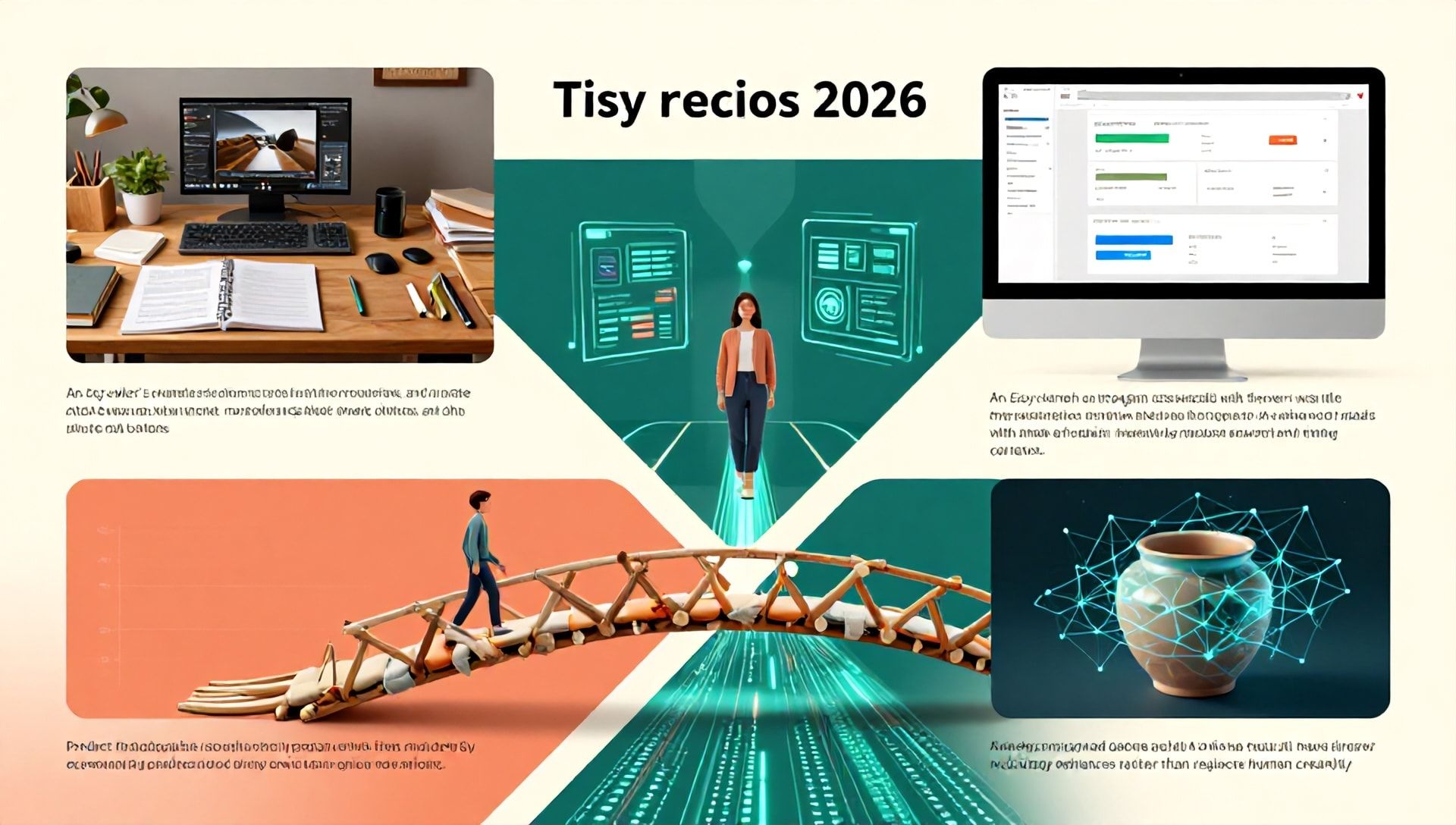
The Ultimate Guide: Best AI Tools for Etsy Sellers vs. Traditional Methods in 2026
Introduction: A New Era for Etsy Entrepreneurship
The landscape of e-commerce is undergoing a seismic shift, and Etsy sellers are at the forefront of this change. As we navigate 2026, the conversation is no longer about whether to use technology, but rather which technology will propel your handmade, vintage, or craft supply business to new heights. The central question for ambitious sellers has become: Should you invest in the best AI tools for Etsy sellers, or stick with proven traditional methods?
This comprehensive comparison dives deep into the heart of this debate. We’ll analyze the capabilities, costs, and real-world applications of cutting-edge AI solutions against the time-tested traditional tools that have built countless Etsy shops. By the end of this guide, you’ll have a clear, actionable framework to decide the optimal tech stack for your unique business goals, workflow, and budget in 2026.
Understanding the Contenders: AI vs. Traditional Tools
Before we compare, let’s define our categories. In the context of an Etsy business, tools encompass any software, platform, or methodology used to manage, optimize, and grow your shop.
What Are Traditional Etsy Tools?
These are the established, often rule-based or manual solutions. They include:
- Manual Keyword Research: Using Etsy’s search bar, third-party browser extensions (like eRank or Marmalead), and spreadsheet tracking.
- Hand-Edited Photography: Software like Adobe Photoshop or Canva, used with manual skill.
- Template-Driven Listings: Copying and pasting listing templates, then manually updating details.
- Spreadsheet Analytics: Manually logging sales data, ad spend, and trends in Excel or Google Sheets.
- Scheduled Social Media Posts: Using planners like Buffer or Later with captions you write yourself.
What Are AI Tools for Etsy Sellers?
These leverage artificial intelligence—specifically machine learning and natural language processing—to automate, predict, and enhance tasks. They are characterized by their ability to learn and adapt. Core functions include:
- Predictive Analytics: Forecasting sales trends and demand for specific items.
- Automated Content Creation: Generating SEO-optimized titles, descriptions, and tags.
- Intelligent Visual Optimization: AI-powered photo editing, background removal, and style correction.
- Dynamic Pricing Engines: Algorithms that adjust prices based on demand, competition, and seasonality.
- Chatbots & Customer Service Automation: Handling initial inquiries and order updates 24/7.
Head-to-Head Comparison: Key Business Areas
1. Listing Creation & SEO Optimization
Traditional Method: You research keywords manually, analyze competitor listings, and craft titles/descriptions. This requires significant time and SEO knowledge. The output is only as good as your current skill and the static data you have.
AI-Powered Approach: Tools like SaleSamurai AI or EverBee’s AI Assistant can analyze top-performing listings in your niche and generate multiple, high-converting title and description options in seconds. They incorporate latent semantic indexing (LSI) keywords naturally and can A/B test phrasing for you.
2026 Verdict: AI wins for efficiency and depth. While a seasoned seller’s intuition is valuable, AI can process millions of data points to uncover keyword opportunities a human might miss. The best strategy is a hybrid: use AI to generate a powerful first draft, then inject your unique brand voice and handmade story.
2. Product Photography & Visuals
Traditional Method: A DSLR camera, a lightbox, and hours in Photoshop or Canva. This allows for complete creative control and can yield stunning, unique results that define a brand.
AI-Powered Approach: Apps like Pixelcut or Adobe Firefly integrated into your workflow. They can instantly remove backgrounds, upscale image resolution, ensure consistent lighting across a batch of photos, and even generate “virtual mockups” of your product in different settings.
2026 Verdict: A strategic tie. For sheer, brand-defining artistry, a skilled human eye with traditional tools is unbeatable. However, for operational efficiency—creating hundreds of clean, consistent listing images for a print-on-demand shop or a large inventory—AI is transformative. The best AI tools for Etsy sellers in this category act as a powerful assistant, not a replacement.
3. Customer Service & Engagement
Traditional Method: Personalized, manual responses to every message and review. This builds deep customer relationships but is not scalable and can lead to burnout during peak seasons.
AI-Powered Approach: AI chatbots (like those from ManyChat or built into Etsy’s Manager App) can instantly answer 80% of common questions (e.g., “What’s your processing time?”, “Do you ship to the UK?”). They can also automate post-purchase update sequences and review reminders.
2026 Verdict: AI wins for scalability and consistency. In 2026, customers expect near-instant responses. AI handles the routine, freeing you to personally intervene in complex or emotionally sensitive situations. This combination ensures 24/7 coverage while preserving the “human touch” Etsy buyers cherish.
4. Pricing Strategy & Inventory Management
Traditional Method: Cost-plus pricing (materials + time + overhead + profit margin) combined with manual monitoring of competitor prices. Inventory is tracked via spreadsheets.
AI-Powered Approach: Dynamic pricing tools (e.g., PriceYak or AI features within Shopify for those with standalone sites) analyze competitor pricing, demand elasticity, and sales velocity to recommend optimal price points. AI can also predict inventory needs based on seasonal trends and sales history.
2026 Verdict: AI wins for data-driven precision. Traditional methods ensure you cover costs, but AI maximizes profit potential. In a competitive 2026 market, leaving money on the table due to static pricing is a major disadvantage. AI provides the strategic insight to price confidently.
5. Marketing & Advertising
Traditional Method: Manually creating and managing Etsy Ads campaigns, crafting social media content calendars, and building email lists via manual prompts.
AI-Powered Approach: AI tools like Vendyo or Pattern can automatically allocate your Etsy Ads budget to your best-performing listings and keywords. AI can also write social media ad copy, generate targeted email campaign content, and identify your most valuable customer segments for retargeting.
2026 Verdict: AI wins for optimization and ROI. While your creative campaign ideas are crucial, AI’s ability to continuously test, learn, and allocate budget in real-time far surpasses manual management. It turns advertising from a cost center into a predictable growth engine.
The Cost-Benefit Analysis: Time, Money, and Growth
- Initial Investment: Traditional tools often have lower upfront costs (subscriptions for Canva, Marmalead). Advanced AI suites represent a higher monthly investment.
- Time Value: AI tools save enormous amounts of time—often 10-20 hours per week for a full-time seller. This time can be redirected to product creation, brand building, or customer relationships.
- Learning Curve: Traditional tools have established tutorials. AI tools require a mindset shift to “train” and trust the algorithm with your business data.
- Scalability: Traditional methods hit a ceiling. AI tools are designed to scale with you, handling increased volume without a linear increase in your workload.
Implementing a Hybrid Strategy for 2026
The most successful Etsy sellers in 2026 won’t choose one side exclusively. They will build a hybrid, AI-augmented workflow:
- Let AI Handle the “Heavy Lifting”: Use AI for data crunching (SEO, pricing, ad bids), batch processing (photo edits), and 24/7 initial customer contact.
- Reserve Human Creativity for Brand Magic: You personally design products, craft the brand story, take artistic product photos, and build community. You also personally handle sensitive customer issues.
- You Are the Strategic Commander: You set the goals, brand direction, and ethical boundaries. The AI tools are your lieutenants, executing the tactical plans with superhuman efficiency.
Frequently Asked Questions (FAQ)
Q1: Are AI tools for Etsy sellers going to make my shop look generic?
A: Not if used strategically. Generic output comes from generic input. The best AI tools for Etsy sellers are content generators, not final editors. You must always infuse the output with your specific details, unique selling propositions, and brand voice. Use AI for structure and SEO power, then personalize it.
Q2: I’m on a tight budget. Are AI tools worth the cost?
A: It depends on your stage. If you’re just starting, mastering free traditional tools (Etsy’s own stats, manual keyword research) is essential foundational knowledge. However, once you have consistent sales, the ROI calculation changes. An AI tool that saves 15 hours a month and increases your conversion rate by 10% often pays for itself many times over. Start with one high-impact tool (e.g., an AI SEO writer) and scale from there.
Q3: Is using AI for Etsy listings or customer service against Etsy’s policies?
A: As of 2026, Etsy’s policies focus on transparency and authenticity regarding products (i.e., you must disclose if a product is handmade by you, a production partner, or is a vintage/manufactured item). Using AI as a business tool for copy, marketing, or service is generally acceptable, just as using a calculator or a spell-checker is. The key is that the final store experience and product must align with Etsy’s ethos. Always use AI to enhance your authentic brand, not to create a false one.
Conclusion: The Future is Augmented
The comparison between the best AI tools for Etsy sellers and traditional methods is not a war with one winner. It is an evolution. Traditional tools represent the foundational craft of e-commerce—the principles of SEO, photography, and customer service remain eternal. AI represents the acceleration and amplification of that craft.
In 2026, refusing to engage with AI is like refusing to use an electric kiln in favor of only an open fire. It limits your potential, scale, and consistency. The most prosperous Etsy shops will be run by artisans who wield AI with the same intention and skill as they wield their physical tools—to create more, connect better, and build a sustainable dream business.
Ready to future-proof your Etsy shop? Start your augmented journey today. Audit your current workflow and identify one repetitive, time-consuming task (like writing listings or editing photos). Research and trial one top-rated AI tool in that category. Measure the time saved and performance lift over one month. The data will guide your next, confident step into the most successful year of your Etsy business.